

When it comes to children's ride - on cars, one of the most significant distinctions consumers often encounter is the difference between licensed and unlicensed models. As a supplier of licensed ride - on cars, I am well - versed in these disparities, and I'm excited to share insights that can help parents, retailers, and enthusiasts make informed decisions.
1. Brand Authenticity and Design
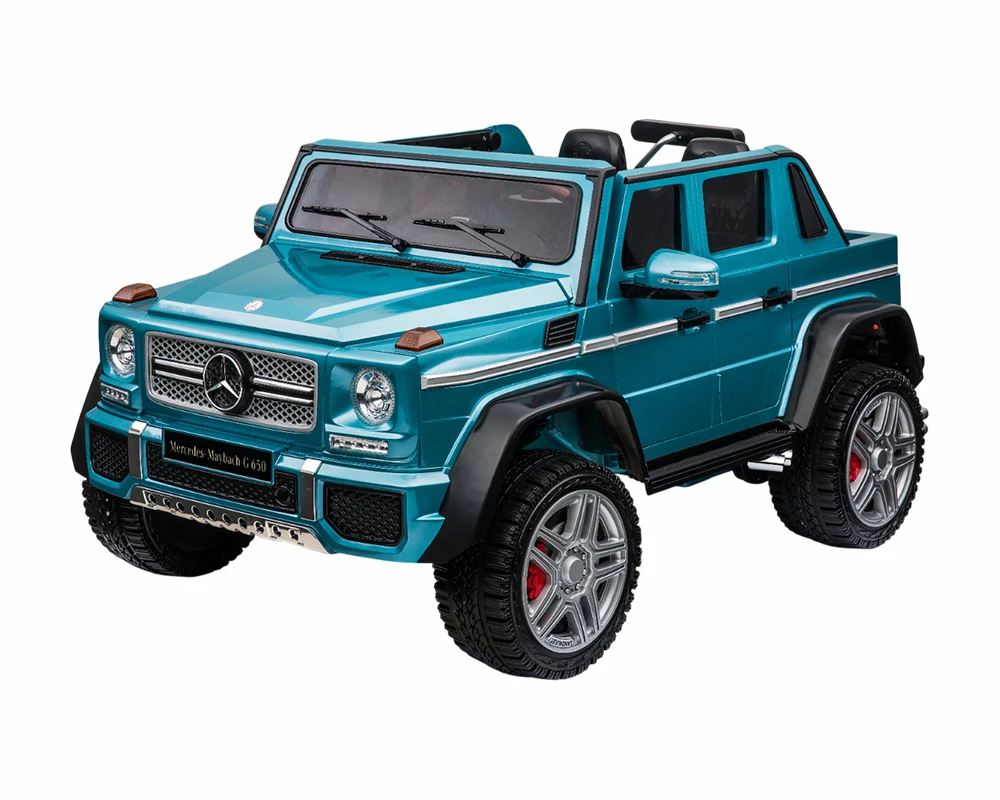
Licensed ride - on cars are vehicles that have obtained official authorization from well - known automotive brands. For instance, our Licensed 24V Mercedes - Benz and Licensed 12v Mercedes - benz models are exact replicas in terms of design and appearance. These cars feature the iconic logos, colors, and body shapes that are characteristic of the luxury brand. The manufacturers work closely with the original automotive companies to ensure that every detail, from the grill design to the wheel rims, is as close to the real car as possible.
On the other hand, unlicensed ride - on cars do not have this official brand backing. They may try to imitate the look of popular car models, but the quality of the design replication is often inferior. The logos may be less clear, the colors may not match accurately, and the overall proportions of the vehicle may deviate from the real - life counterparts. This lack of authenticity can be a deal - breaker for consumers who want their children to experience the real - life charm of a particular brand.
2. Quality and Safety Standards
Licensed ride - on car manufacturers are held to strict quality and safety standards. Since they are associated with well - established automotive brands, any compromise on quality can damage the brand reputation. These cars are typically made from high - grade materials that are durable and non - toxic. The mechanical components, such as the motors, gears, and batteries, are rigorously tested to ensure they meet safety regulations. For example, our Mercedes - Maybach Licensed Ride - on Car undergoes multiple rounds of safety checks, including tests for stability, braking performance, and electrical safety.
Unlicensed ride - on cars, however, may not adhere to the same high - level standards. Some may be made from cheap, low - quality plastics that can break easily, posing a risk of injury to children. The electrical systems may not be properly insulated, increasing the risk of short - circuits and electrical shocks. Additionally, the safety features, such as seat belts and anti - tip mechanisms, may be poorly designed or absent altogether.
3. Intellectual Property and Legal Compliance
Licensed ride - on cars operate within the boundaries of intellectual property laws. The manufacturers pay licensing fees to the automotive brands, which allows them to use the brand's trademarks, designs, and other intellectual property legally. This ensures that consumers are getting a product that is not only high - quality but also legally compliant.
Unlicensed ride - on cars, by definition, are in violation of intellectual property rights. Producing and selling these imitations is illegal in many countries. Consumers who purchase unlicensed products may unknowingly be supporting illegal activities. Moreover, if authorities crack down on the sale of unlicensed goods, the consumer may end up losing their purchase and having no legal recourse.
4. Customer Experience and Long - term Value
When a child receives a licensed ride - on car, it's not just a toy; it's an experience. The brand association adds an extra layer of excitement and pride for the child. They can pretend to be driving a real - life luxury car, and this imaginative play can enhance their cognitive and social development. Licensed cars also tend to hold their value better over time. If a family decides to sell the ride - on car after their child has outgrown it, a licensed model will generally fetch a higher resale price compared to an unlicensed one.
Unlicensed ride - on cars may provide a short - term source of entertainment, but they often lack the long - term appeal. The lower quality means they are more likely to break down, leading to a frustrating experience for both the child and the parents. And since they don't have the brand cachet, they are less likely to be passed down or resold at a reasonable price.

5. Warranty and After - sales Service
As a licensed ride - on car supplier, we offer comprehensive warranties and excellent after - sales service. If a customer encounters any issues with the product, such as a defective motor or a broken part, they can contact our customer service team. We have a dedicated team of technicians who can diagnose the problem and provide solutions, whether it's sending replacement parts or offering repair services.
In contrast, unlicensed ride - on car suppliers may not offer any warranty or after - sales support. Once the product is sold, the customer is often on their own if something goes wrong. This lack of support can be a major headache for parents, especially when dealing with a child's toy that requires regular maintenance and occasional repairs.
Why Choose Our Licensed Ride - on Cars
At our company, we are committed to providing the highest quality licensed ride - on cars. Our partnerships with leading automotive brands ensure that every product we offer is authentic, safe, and of the highest quality. We understand that parents want the best for their children, and our ride - on cars are designed to meet those expectations.
Whether you are a parent looking for a special gift for your child or a retailer interested in stocking high - quality products, we invite you to explore our range of licensed ride - on cars. If you have any questions about our products, pricing, or bulk purchasing options, please feel free to reach out to us. We are always ready to assist you in making the right choice for your needs.
References
- Smith, J. (2022). "The Importance of Brand Licensing in the Toy Industry." Journal of Toy Research, 15(2), 45 - 56.
- Johnson, L. (2021). "Safety Standards in Children's Ride - on Cars." Safety Journal, 22(3), 78 - 89.
- Brown, A. (2020). "Intellectual Property Rights in the Toy Market." Legal Studies Quarterly, 30(1), 12 - 25.