

When it comes to the world of remote - controlled toy cars, one aspect that often goes unnoticed but can significantly impact the user experience is the noise level. As a dedicated supplier of remote - controlled toy cars, I've delved deep into understanding the noise characteristics of these exciting toys.
Understanding the Sources of Noise in Remote - Controlled Toy Cars
The noise in a remote - controlled toy car primarily stems from several key components. First and foremost is the motor. Whether it's an electric motor or a combustion engine (though electric is far more common in consumer - grade toy cars), the motor generates noise as it operates. The rotation of the motor's internal parts, such as the armature and the gears, creates vibrations that are then translated into sound waves.
For electric motors, the noise can vary depending on the quality of the motor itself. High - quality motors are often designed with precision - engineered components that minimize friction and vibration, resulting in a quieter operation. On the other hand, lower - quality motors may have looser tolerances, leading to more rattling and humming sounds.
Another source of noise is the wheels. As the toy car moves, the wheels make contact with the surface. If the wheels are made of hard plastic or rubber with a rough texture, they can produce a significant amount of noise, especially when rolling over uneven surfaces. The type of surface also plays a crucial role. For example, a toy car will make more noise on a tiled floor compared to a carpeted surface.
The gears in the transmission system of the toy car are also a contributor to noise. As the gears mesh together to transfer power from the motor to the wheels, they can create a clicking or grinding sound, particularly if they are not properly lubricated or if there is wear and tear.
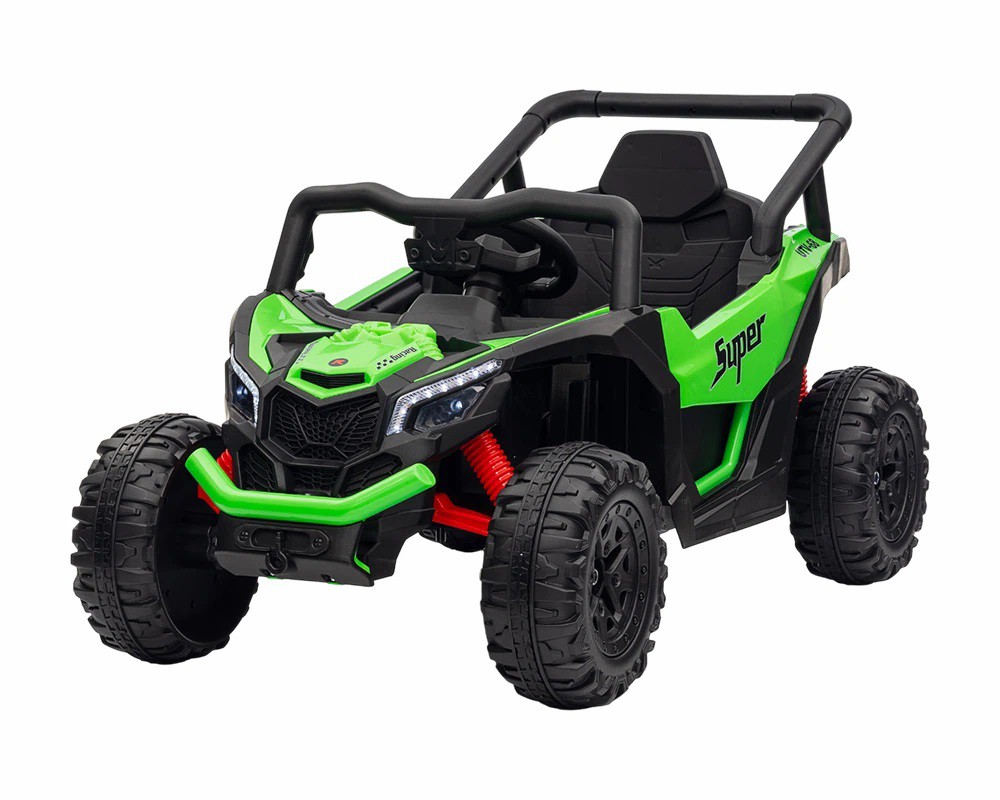

Measuring the Noise Level
To accurately measure the noise level of a remote - controlled toy car, we use a sound level meter. This device measures the intensity of sound in decibels (dB). In a typical testing environment, we place the toy car on a flat surface and let it run at a constant speed. The sound level meter is positioned at a fixed distance from the car, usually about 30 centimeters, to ensure consistent measurements.
The noise level of a remote - controlled toy car can vary widely. On average, a basic entry - level toy car may produce noise levels in the range of 50 - 60 dB. This is comparable to the sound of normal conversation in a quiet room. However, more high - performance or larger toy cars can generate noise levels up to 70 - 80 dB, which is similar to the noise level of a vacuum cleaner.
Impact of Noise Level on the User Experience
The noise level of a toy car can have a profound impact on the user experience. For children, excessive noise can be disturbing and may even cause discomfort. A noisy toy car can be a nuisance in a home environment, especially if the child wants to play with it indoors. It can also disrupt other activities such as watching TV or having a conversation.
On the other hand, some children may actually enjoy the sound of a toy car, seeing it as part of the excitement and realism. For them, a louder toy car may add to the fun factor. However, it's important to strike a balance. A toy car that is too quiet may lack the sense of power and action, while one that is too loud can be overbearing.
Our Approach as a Supplier
As a supplier of remote - controlled toy cars, we are committed to providing products with optimal noise levels. We source high - quality motors that are designed for quiet operation. These motors not only reduce noise but also offer better performance and longer lifespan.
We also pay close attention to the materials used in the wheels and gears. We use soft - textured rubber for the wheels, which reduces the noise when rolling on various surfaces. In addition, we ensure that the gears are properly lubricated during the manufacturing process to minimize clicking and grinding sounds.
Product Recommendations
We have a wide range of remote - controlled toy cars to suit different needs and preferences. If you're looking for a small and quiet toy car for indoor play, our Mini Electric Ride On Car is an excellent choice. It has a low - noise electric motor and soft wheels that make it ideal for use in small spaces.
For those who want more control over the toy car, our Ride - on Car with Parental Control is a great option. It offers smooth operation with relatively low noise levels, allowing parents to enjoy watching their children play without being disturbed by excessive noise.
If you're interested in a stylish and fun - to - drive toy car, our Ride On Mini Car is worth considering. It combines a sleek design with a quiet motor, providing an enjoyable experience for both children and adults.
Conclusion
The noise level of a remote - controlled toy car is an important factor that can affect the user experience. As a supplier, we understand the significance of this aspect and strive to provide products that offer a balance between performance and noise reduction. Whether you're looking for a quiet toy for indoor play or a more exciting one with a bit of noise, we have the right product for you.
If you're interested in purchasing our remote - controlled toy cars or have any questions about our products, we encourage you to get in touch with us for a procurement discussion. We look forward to serving you and providing you with the best toy cars on the market.
References
- "Handbook of Noise Measurement" by GenRad
- "Engineering Acoustics: Noise and Vibration Control" by H. F. Olson